Eczema · psoriasis
Eczema and Psoriasis: What They Actually Are, and What You Should Know
A clear guide to two common chronic skin conditions, how they differ, and why neither is contagious.
Published Oct 12, 2026 · 6 min read
On this page

Millions live with eczema or psoriasis, and there is a lot of mixed information out there about both. Getting the facts straight makes it easier to ask about treatments that can actually help. Here is what each one is, how common they are, and a few things worth knowing.
What eczema actually is
Eczema (also called atopic dermatitis) is a condition where the skin’s barrier does not hold moisture in as well as it should, and the immune system reacts more strongly than it needs to. That combination shows up as dry, itchy, sometimes red or thickened patches that flare and calm down over time. It is chronic, meaning there is no one-time cure, but it can absolutely be managed. According to Cleveland Clinic, atopic dermatitis is the most common type of eczema.1
What psoriasis actually is
Psoriasis is also an immune-driven condition, but it works differently. The immune system speeds up skin cell turnover, so cells pile up on the surface faster than the body can shed them. That creates thick, raised, scaly plaques (often on elbows, knees, the scalp, or the lower back) that can itch, crack, or burn. Like eczema, it flares and settles, and like eczema, it is lifelong but manageable.
They are not the same thing
The two get confused constantly, even though they feel different and look different up close. Eczema tends to be intensely itchy with thinner, weepier patches; psoriasis tends toward thicker, well-defined plaques with silvery scale. What they share is the part that matters most day to day: both are chronic, both are immune-involved, both flare with the same seasonal triggers, and neither one is your fault.
How common they are
Together, eczema and psoriasis affect tens of millions of people in the U.S. alone, across every age group. Eczema often starts in childhood, though plenty of people carry it into adulthood or develop it for the first time as adults. Psoriasis more often appears in adulthood; Cleveland Clinic estimates it affects about 7.5 million people in the United States.2 If you have ever felt alone in this, you are in very good company.
Common myths, and the facts
- “It’s contagious.” Neither one is. You cannot catch eczema or psoriasis from someone, or give it to someone else. As Cleveland Clinic dermatologist Kathryn Anderson, MD, puts it plainly: “Psoriasis is not contagious.”3
- “It’s just dry skin.” Dryness is part of the picture, but both conditions involve the immune system. That is why a basic lotion often is not enough on its own.
- “Creams are the only prescription option.” They are not. Phototherapy, a prescribed, precise wavelength of light (narrowband UVB), has been used to treat both conditions for decades,4 and it no longer means three clinic visits a week. It is not tanning, not sunlight, and not a drug; it treats the skin that needs it instead of your whole body,5 and it can be done at home. DermNet, the dermatology reference site, describes home phototherapy as “a relatively safe and effective non-drug option.”6
- “Kids always grow out of it.” Some do. Many do not, and some people develop a chronic skin condition for the first time as adults.
- “You caused it by eating the wrong things.” Diet can play a role for some people, but neither condition is something you brought on yourself.
- “Psoriasis is just a skin thing.” It is an immune condition that happens to show on the skin, and it can come with joint symptoms. It is worth raising with your doctor if your joints ache alongside a flare.
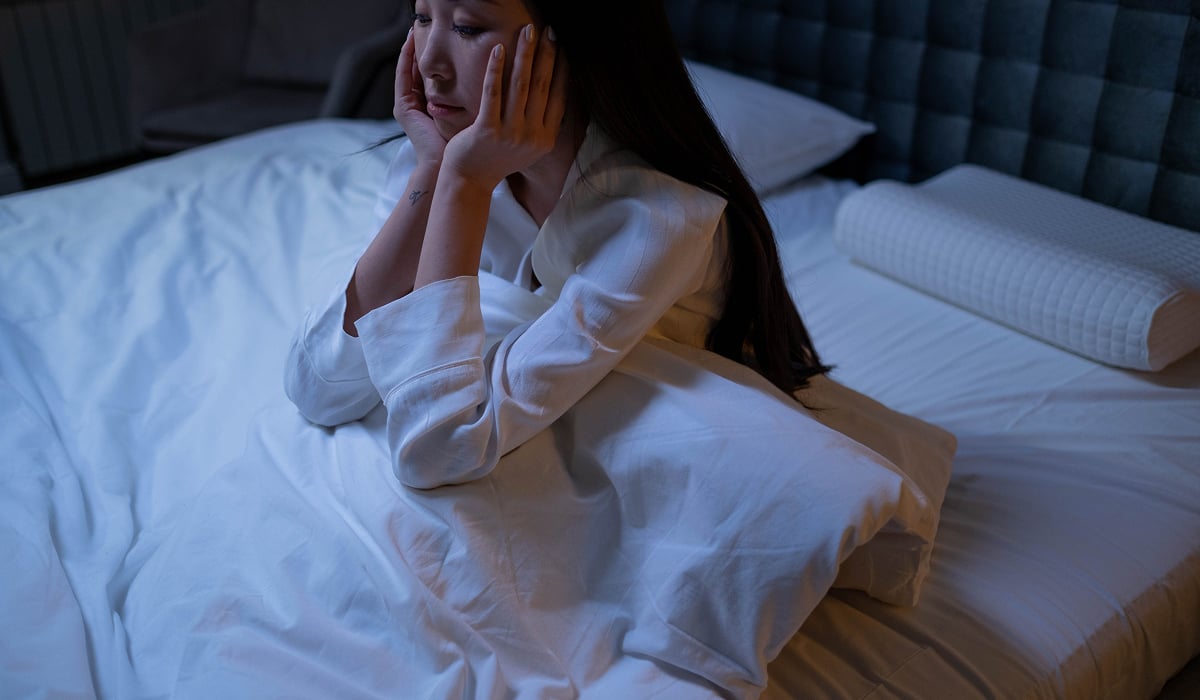
- “If it is not visible, it is not serious.” Sleep loss, itching, cracking, and the mental load of managing it every day do not show up in a photo.
- “A couple of doses will cure it.” Cleveland Clinic states that “eczema and psoriasis are both chronic conditions with no cure.”7 When symptoms come back, it doesn’t mean you failed. Many treatments take up to 16 weeks to work, and continuing phototherapy while your skin is clear may help you go longer between flares.
Why any of this matters
Understanding what is going on with your skin is the first real step toward managing it, instead of guessing, and it makes it easier to find the approach that works for you.
One small thing to do today
Share this with someone who might need to hear “you can be ahead of your next flare.” Or, if fall is already making your skin harder to manage, take a look at the seasonal side of things next.
Curious what phototherapy actually involves?
If “light therapy” is new to you, or you assumed it meant a tanning bed, it is worth a few minutes of reading. We explain what narrowband UVB is, what a treatment session looks like, and who it tends to work for. Narrowband UVB is used to treat several skin conditions, including eczema and psoriasis.4
Learn more about phototherapyAlready wondering whether it fits your skin? Find out in about two minutes.
Footnotes
- Cleveland Clinic. “Atopic Dermatitis: Symptoms, Causes & Treatment.” https://my.clevelandclinic.org/health/diseases/24299-atopic-dermatitis
- Cleveland Clinic. “Scalp Psoriasis: Symptoms, Plaque, Causes & Treatment.” https://my.clevelandclinic.org/health/diseases/22828-scalp-psoriasis
- Cleveland Clinic Health Essentials. “Does Psoriasis Spread on Your Body?” https://health.clevelandclinic.org/how-can-i-stop-my-psoriasis-from-spreading
- AAD = American Academy of Dermatology. Narrowband UVB phototherapy is recommended by the AAD for the treatment of psoriasis and eczema. Elmets CA, Lim HW, Stoff B, et al. Joint American Academy of Dermatology-National Psoriasis Foundation guidelines of care for the management and treatment of psoriasis with phototherapy. J Am Acad Dermatol. 2019;81(3):775-804.
- Narrowband UVB phototherapy does not involve systemic immunosuppression. Consult your physician regarding your full treatment plan.
- DermNet. “Home phototherapy.” https://dermnetnz.org/topics/home-phototherapy
- Cleveland Clinic, “Eczema vs. Psoriasis: What’s the Difference?” health.clevelandclinic.org/itchy-rash-how-to-tell-if-its-eczema-or-psoriasis