Eczema · psoriasis
5 Fall Chronic Skin Triggers and How to Manage Them
Cooler, drier air and shorter days can bring eczema and psoriasis flares back. Here are five reasons why, and one small thing to try for each.
Published Oct 12, 2026 · 5 min read
On this page

Fall is a beautiful time of year, but if you live with eczema or psoriasis, it can also be when flares start creeping back in. If your skin feels angrier the moment the weather turns, you’re not imagining it. Here are five real reasons why, and one small thing to try for each.
1. Low humidity dries you out faster
Cooler outdoor air just can’t hold as much moisture as summer air. That means water evaporates from your skin faster, leaving it dry, tight, and more likely to crack or flare. As one Cleveland Clinic dermatologist puts it, “Cold air, wind and a decrease in humidity can all dry out skin.”1
Try this
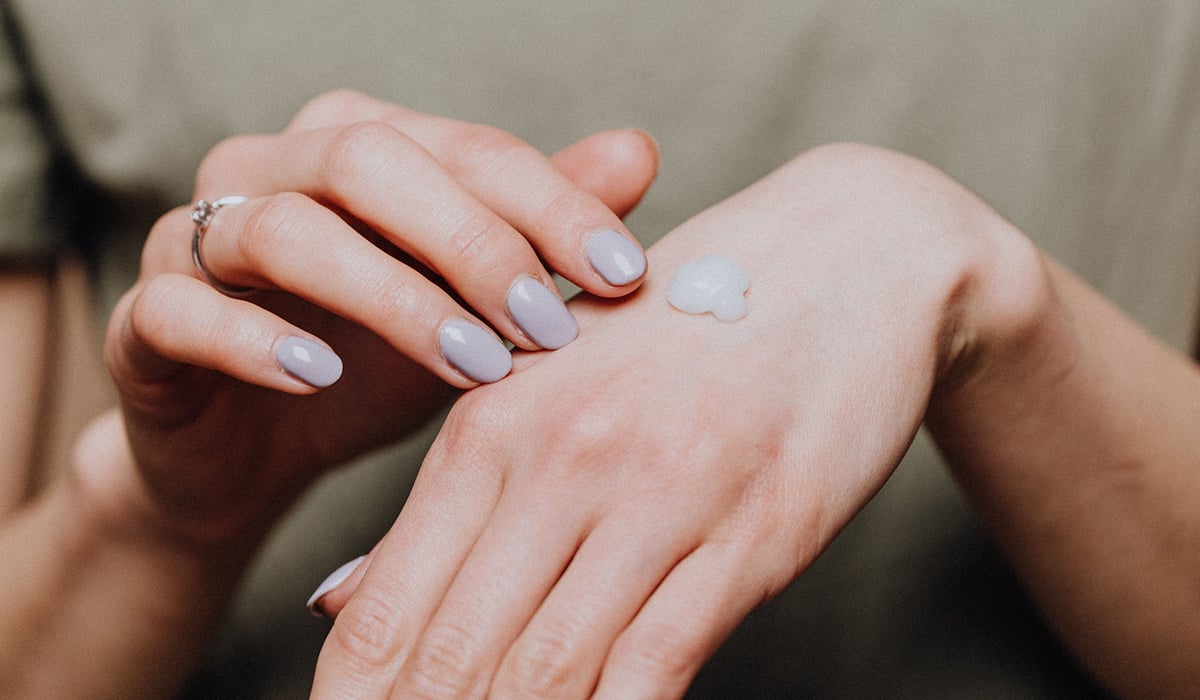
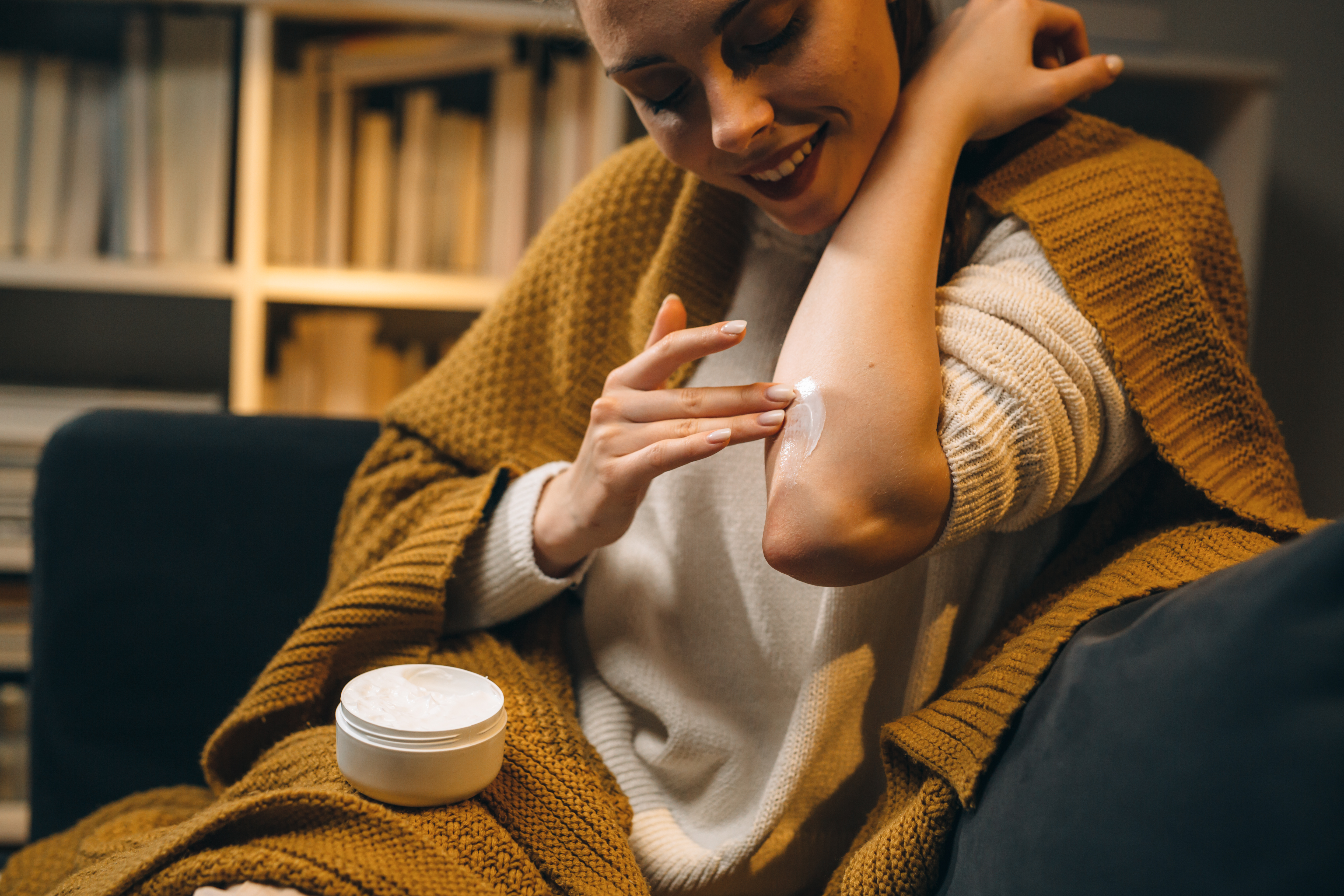
Moisturize right after you wash your hands or shower, while your skin is still a little damp; it traps water in instead of letting it evaporate. Make sure your moisturizer has ceramides; any cream with alcohol could make a flare worse.
2. Indoor heating dries the air even more
Once the heat clicks on, central heating and space heaters pull moisture out of the air in your home, which weakens your skin’s natural barrier over time.
Try this
Run a humidifier in the room you sleep in. Even one room, overnight, makes a noticeable difference by morning.
3. Shorter days mean less light, and that is a real problem for psoriasis
It’s easy to think of sun exposure as something to avoid, but light can help heal psoriasis from the inside out. The American Academy of Dermatology lists weather among common psoriasis triggers, notes that the lower temperature and humidity of fall and winter can worsen symptoms, and suggests asking your doctor about phototherapy during the winter months.2 If your skin flares every year as the days get shorter, there is something specific you can do about it.
Try this
Ask about phototherapy. It’s a prescribed, precise, personalized wavelength of light (narrowband UVB): not tanning, not sunlight, and not a drug. The device works across all skin tones. It’s delivered to the skin that needs it instead of your whole body,3 and Zerigo’s device is built for use at home. If your psoriasis reliably gets worse this time of year, Zerigo Health’s phototherapy platform is something to consider.
4. Seasonal allergens add fuel to the fire
Damp, fallen leaves grow mold, and indoor dust mites tend to pick up as everyone spends more time indoors with the windows shut. Both can trigger immune responses that worsen eczema and psoriasis flares.
Try this
Wash bedding weekly in hot water, and if you rake leaves, wear gloves and wash up right after.
5. Hot showers feel good but hurt your skin barrier
Long, very hot showers are tempting once it’s cold outside, but they strip away your skin’s natural protective oils, the same oils your skin barrier needs to hold moisture in.
Try this
Turn the water down a notch and cut shower time by a few minutes. Hot showers decrease the itch for a short period of time but may irritate your skin. Make your showers as cold as you can tolerate for less than five minutes. Moisturize within a couple of minutes of stepping out; Mayo Clinic suggests using warm rather than hot water and moisturizing within three minutes while skin is still damp.4
Bonus: heavier clothes and higher stress count too
Wool sweaters and tight synthetic layers can rub against sensitive skin and cause irritation, and the stress of back-to-school routines actively fuels inflammation. Neither one is something you have to “just push through”: a cotton or bamboo layer under wool, and a slightly simpler evening routine, both help more than they sound like they would. Cleveland Clinic lists wool among common eczema irritants and notes that emotional triggers can set off a flare, too.5
The short version: you don’t have to avoid fall; you just need a few small adjustments in the places your skin is most exposed. Pick one from this list and try it this week.
Wondering if light therapy is right for you?
Fall is usually when people start looking for something beyond their current treatment. Zerigo Health’s at-home phototherapy delivers a prescribed, precise wavelength of light to the skin that needs it, and it takes about two minutes to find out whether you’re a candidate.
Is light therapy a fit for you? Find out in 2 minutes.Prefer to talk it through first? Chat with our experts (real people, not a bot)6 or call (877) 738-6041.
Footnotes
- Cleveland Clinic Health Essentials. “Managing Eczema Flare-Ups in Winter and Summer.” https://health.clevelandclinic.org/winter-eczema
- AAD = American Academy of Dermatology. Narrowband UVB phototherapy is recommended by the AAD for the treatment of psoriasis and eczema. Elmets CA, Lim HW, Stoff B, et al. Joint American Academy of Dermatology-National Psoriasis Foundation guidelines of care for the management and treatment of psoriasis with phototherapy. J Am Acad Dermatol. 2019;81(3):775-804.
- Narrowband UVB phototherapy does not involve systemic immunosuppression. Consult your physician regarding your full treatment plan.
- Mayo Clinic Press. “Atopic dermatitis (eczema).” https://mcpress.mayoclinic.org/living-well/atopic-dermatitis-eczema/
- Cleveland Clinic. “Eczema: What It Is, Symptoms, Causes, Types & Treatment.” https://my.clevelandclinic.org/health/diseases/9998-eczema
- ZerigoCare(TM) licensed team includes licensed clinicians and/or supervised licensed healthcare professionals. Program is supervised and personalized. ZerigoCare(TM) is a trademark of Zerigo Health.
This article is for general education, not medical advice. Check with your own doctor about your care.